There’s a diverse world of cryptocurrency beyond Bitcoin, and that’s where altcoins come into play.
Altcoin, short for “alternative coin,” refers to any digital currency that isn’t Bitcoin. As you probe into cryptocurrency, understanding the various types of altcoins can help you make informed investment decisions and navigate the market more effectively.
This post will elucidate what altcoins are, their various categories, and how they can fit into your financial strategy.
Some may even say it is a derogatory term to exclude those who believe in other things than Bitcoin.
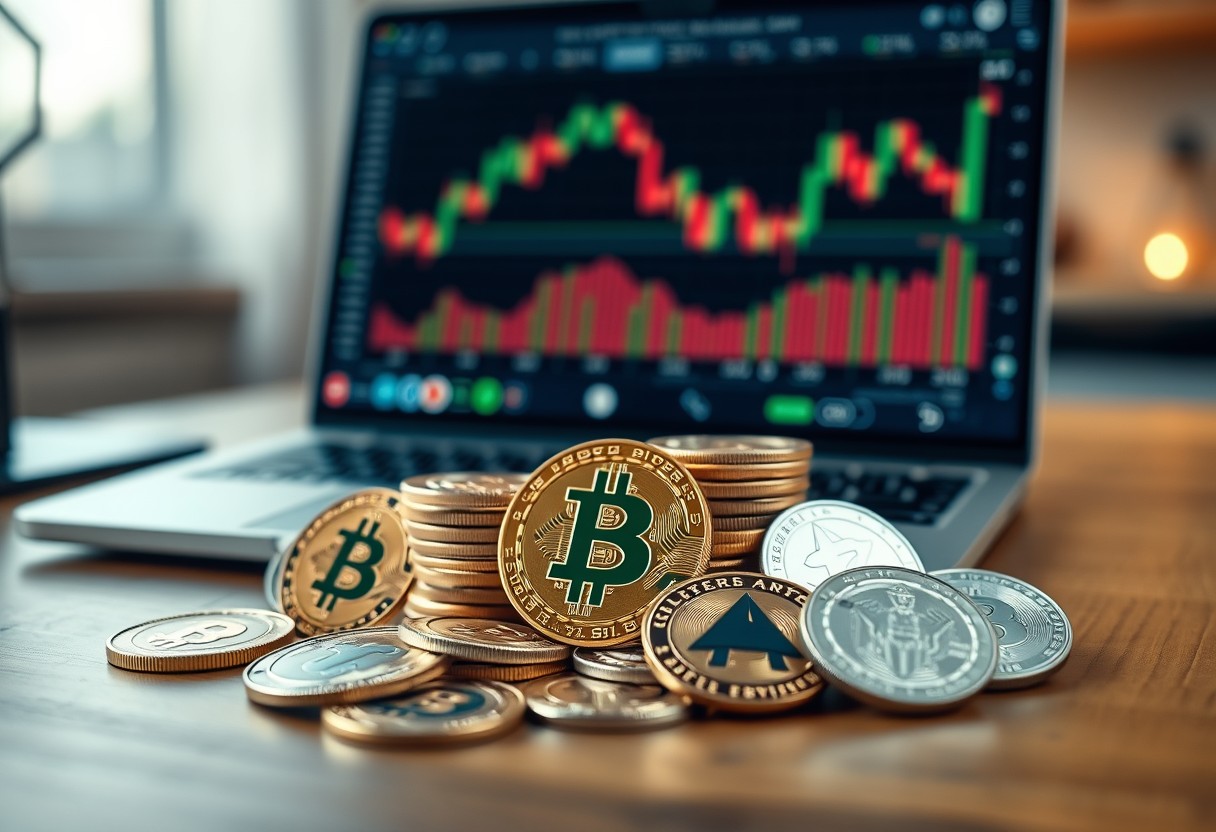
Key Takeaways:
- Altcoin Definition: Altcoins refer to all cryptocurrencies other than Bitcoin, serving as alternatives in the digital currency market.
- Diversity of Use Cases: Altcoins often have specialized functions or features, ranging from smart contracts to privacy enhancement, catering to various applications.
- Market Volatility: The altcoin market tends to be more volatile compared to Bitcoin, which can lead to higher risks and potential rewards for investors.
Definition of Altcoin
To put it simply, an altcoin refers to any cryptocurrency that is not Bitcoin. The term ‘altcoin’ encompasses a broad range of digital currencies, including Ethereum, Litecoin, and Ripple, which were developed to improve or provide alternative features to Bitcoin. As the cryptocurrency market evolves, numerous altcoins have emerged to cater to various user needs and market demands.
What Constitutes an Altcoin
To qualify as an altcoin, a cryptocurrency must be distinct from Bitcoin, typically featuring its own blockchain technology or unique mechanisms for operation. Altcoins often aim to solve specific problems or enhance user experience in ways that Bitcoin does not, leading to a diverse landscape of options for investors and users alike. (Choosing the right altcoin can significantly impact your investment strategy.)
Distinctions Between Bitcoin and Altcoins
With Bitcoin being the first and most recognized cryptocurrency, it sets a benchmark against which all altcoins are compared. While Bitcoin focuses primarily on being a digital currency, altcoins can serve various purposes such as decentralized applications, smart contracts, or even as tokens within specific platforms. This versatility creates numerous opportunities for investment and innovation within the cryptocurrency space.
Altcoin is a term that often denotes cryptocurrencies specifically designed to improve upon or differentiate themselves from Bitcoin. While Bitcoin has established itself as a store of value and the leading digital currency, many altcoins offer unique functionalities, scalability, and governance models that address specific market needs. Understanding these differences is crucial for discerning your investment options and aligning your strategy with your financial goals.
Types of Altcoins
If you are exploring the diverse world of altcoins, it’s important to understand the different types available. Here’s a brief overview:
- Stablecoins
- Utility Tokens
- Security Tokens
- Privacy Coins
- Forks
After familiarizing yourself with these categories, you’ll be better equipped to make informed decisions in your altcoin investments.
| Type | Description |
|---|---|
| Stablecoins | Cryptocurrencies pegged to stable assets. |
| Utility Tokens | Tokens that provide access to a service. |
| Security Tokens | Digital representations of traditional assets. |
| Privacy Coins | Focus on anonymity and confidentiality. |
| Forks | New coins derived from existing ones. |
Stablecoins
Above all, stablecoins aim to reduce volatility by tying their value to a stable asset, typically a fiat currency like the US dollar. This makes them a popular choice for traders and investors looking for security amidst market fluctuations.
Utility Tokens
Behind the allure of altcoins are utility tokens, which serve specific functions within a blockchain ecosystem. They often grant you access to services or discounts on a platform, making them necessary for users within that particular network.
But utility tokens are more than just access tools. They can also incentivize user engagement and participation in a decentralized application, enabling the creation of a vibrant community around the platform. Understanding their role can greatly enhance your strategy when evaluating projects in the crypto space.
Security Tokens
Types of security tokens represent a claim on an underlying asset, making them a bridge between traditional finance and cryptocurrency. These tokens often comply with regulatory requirements, appealing to investors seeking a regulated investment vehicle.
Due to their nature, security tokens are often subjected to legal oversight, providing an added layer of security and transparency for you as an investor. This compliance ensures that these assets align with existing securities laws, which can greatly enhance confidence when engaging with security token offerings (STOs).
The Purpose of Altcoins
Despite the popularity of Bitcoin, altcoins serve significant purposes within the cryptocurrency ecosystem. They broaden the application of blockchain technology, allowing for innovation and increased functionality that Bitcoin alone may not cover. By offering alternatives for various financial needs, altcoins present options that can better suit your specific requirements (consider how these options may impact your investment strategy).
Enhancing Blockchain Technology
An vital role of altcoins is to enhance blockchain technology itself. Many altcoins introduce new features, improved scalability, or greater transaction speeds, making blockchain more efficient for users. By exploring various altcoins, you can discover innovative solutions that may align with your goals (staying updated with these advancements can influence your investment decisions).
Addressing Market Needs
Below the surface of the cryptocurrency market, altcoins are designed to address specific demands that Bitcoin may not fully satisfy. This includes catering to industries like gaming, real estate, and supply chain, where tailored solutions can enhance user experience and engagement (analyzing these niche markets can help you identify promising opportunities).
Addressing market needs is pivotal in driving the development of altcoins. They provide alternatives for diverse use cases, establishing their position within the broader crypto landscape. From privacy coins to stablecoins, each altcoin offers unique functionalities that can benefit different sectors and demographics (diversifying your portfolio by considering these alternatives can significantly impact your overall success).
Risks and Challenges
Many investors recognize that exploring altcoins comes with significant risks and challenges. These digital assets can be highly volatile, and the absence of historical data may complicate your decision-making process. Additionally, the lack of established regulations can expose you to security concerns and potential scams, making due diligence vital before you invest.
Market Volatility
Before you look into the altcoin market, it’s important to acknowledge the volatility that characterizes it. Prices can fluctuate dramatically within short timeframes, leading to potential losses or gains that are often unpredictable. This volatility can be both an opportunity and a challenge, requiring you to stay vigilant and informed about market trends.
Regulatory Concerns
On the regulatory front, you must consider the evolving landscape that surrounds altcoins. Governments worldwide are increasingly scrutinizing cryptocurrencies, leading to potential restrictions that could impact your investments. (The SEC has taken significant steps to regulate crypto assets, shaping how you may trade in the future.)
But regulatory developments can be double-edged; while some regulations may provide a layer of protection, others might hinder your ability to trade freely. You’ll need to stay updated on relevant laws in your country to ensure compliance. (Several countries have banned or severely limited trading of certain altcoins, underscoring the importance of understanding the regulatory environment.)
Investing in Altcoins
Keep in mind that investing in altcoins can be both rewarding and risky. It’s important to research each coin’s fundamentals, market trends, and community support before making any decisions. Your investment strategy should align with your financial goals and risk tolerance.
How to Choose Altcoins
Altcoins are abundant, and selecting the right ones can feel overwhelming. Evaluate their use cases, technology, and market capitalization to find those with potential for growth. (Conduct thorough analysis to avoid investing in low-quality coins.)
Diversifying Your Portfolio
By diversifying your portfolio, you mitigate the risk associated with investing in a single asset. Consider spreading your investments across various altcoins to balance potential losses from underperforming assets. (This strategy can help protect your overall investment against market volatility.)
Hence, focusing on a range of altcoins allows you to capture opportunities in different sectors and markets. By investing in a mix of established coins and promising newcomers, you can enhance your portfolio’s growth potential. (Maintaining diversity in your investments is crucial for long-term success.)
Future of Altcoins
Unlike Bitcoin, which has established itself as the original cryptocurrency, the future of altcoins remains dynamic and unpredictable. You can expect an increasing number of innovative projects to emerge, each promising unique features and use cases. As the market matures, regulatory frameworks will likely evolve, influencing the adoption and longevity of various altcoins. Your awareness of these developments can significantly affect your investment strategies and decisions.
Trends in Development
Below are some emerging trends in altcoin development you should keep an eye on. Interoperability among blockchain networks is becoming a priority, allowing seamless communication and transactions between different ecosystems. Additionally, decentralized finance (DeFi) initiatives are gaining traction, pushing novel altcoins to the forefront. These trends reflect an exciting evolution in digital assets that could shape your investment portfolio.
Short-term and Long-term Outlook
After analyzing the market indicators, you can see that the short-term outlook for altcoins may be volatile due to market fluctuations and investor sentiment. However, the long-term perspective appears promising, as ongoing advancements in technology and applications could create substantial growth opportunities. (It’s important to diversify your investments across various altcoins to mitigate risks.)
Further investigation into the short-term and long-term outlook reveals that while some altcoins may experience rapid price swings, others are likely to gain stability as they gain adoption and utility. Continuous developments in regulatory guidelines and technology will be crucial in shaping the market landscape. (Consider keeping up-to-date with news and emerging projects to make informed decisions.)
To wrap up
From above, you should have a clearer understanding of what an altcoin is and how it fits within the broader cryptocurrency landscape. Altcoins are any digital currencies other than Bitcoin, offering various features and use cases. As you explore the crypto space, it’s important to recognize that altcoins can provide unique investment opportunities and options for diversification in your portfolio. Staying informed about different altcoins can enhance your ability to make educated decisions in this rapidly evolving market.
FAQ
Q: What is an altcoin?
A: An altcoin is any cryptocurrency other than Bitcoin. While Bitcoin was the first cryptocurrency and remains the most well-known, altcoins encompass a wide variety of digital currencies, including Ethereum, Ripple, Litecoin, and many others. These alternative coins often aim to improve upon Bitcoin’s technology, offer different functionalities, or target various use cases within the blockchain ecosystem.
Q: How do altcoins differ from Bitcoin?
A: Altcoins can differ from Bitcoin in several key ways, including their blockchain technology, mining mechanisms, purpose, and target audience. For example, Ethereum uses a smart contract platform that allows developers to build decentralized applications (dApps) on its network, while Bitcoin primarily serves as a store of value and a medium of exchange. Additionally, some altcoins employ different consensus algorithms, such as proof-of-stake, which can affect transaction speed and energy consumption compared to Bitcoin’s proof-of-work system.
Q: What are the benefits and risks of investing in altcoins?
A: Investing in altcoins can offer potential benefits such as diversification and opportunities for higher returns, as many altcoins may be undervalued compared to Bitcoin or could capitalize on niche markets. However, there are also risks involved, including volatility, lower liquidity, and the possibility of project failure or scams. It’s imperative for investors to conduct thorough research and understand the specific altcoin’s technology, use case, and team before investing.